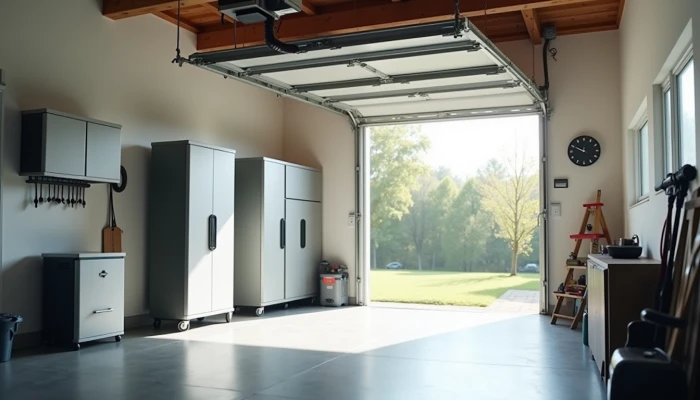
Keeping a Home Battery Healthy in Humid Conditions
Humidity is easy to overlook until it starts affecting equipment you depend on during an outage. In a damp garage, utility room, shed, or coastal climate, moisture in the air can slowly work against a home battery system by encouraging corrosion, stressing electronics, and raising the chance of condensation inside or around the enclosure.
The good news is that maintenance in humid conditions does not need to be complicated. Most of the work comes down to keeping the battery in the right environment, checking for early signs of moisture damage, and following the manufacturer’s limits instead of guessing.
If you are trying to protect battery performance and preserve home battery lifespan, focus on moisture control first. That matters whether your system is paired with solar, used mainly for outages, or installed to support time-of-use savings. And while this article focuses on maintenance, not sizing, it is worth remembering that a poorly maintained battery can underperform no matter how carefully you answered questions like how much battery backup do I need or used a home battery size calculator.
Understanding Humidity Risks for Home Batteries
Humidity affects more than comfort. In battery systems, too much moisture in the air can contribute to rust on metal parts, corrosion on terminals and connectors, and moisture intrusion into sensitive electronics. Some battery guidance for storage devices warns that humidity above about 60% relative humidity can increase the risk of corrosion and short circuits, while many manufacturers aim for controlled indoor conditions rather than damp, unconditioned spaces.
That does not mean every humid day damages a battery. The bigger issue is long-term exposure. A home battery system installed in a space that stays damp for months is more likely to develop problems than one that sees occasional humidity spikes but remains dry overall.
Common humidity-related risks include:
- Corrosion on exposed metal hardware
- Condensation on or inside enclosures when warm, moist air meets cooler surfaces
- Degraded electrical connections over time
- Reduced reliability of sensors, wiring terminations, or control boards
- Possible warranty issues if the installation environment falls outside manufacturer limits
Another point that often gets missed is the difference between ambient humidity and direct water exposure. High humidity is one issue. Flooding, roof leaks, wind-driven rain, or standing water near the battery are more serious hazards and can create immediate safety concerns.
A simple rule is to treat the manufacturer manual as the first source of truth. If the manual gives a recommended operating humidity range, use that range rather than a generic online number. If it does not, conservative guidance is to keep the system in a dry, ventilated, protected location and ask the installer or manufacturer what indoor humidity range they expect for normal operation.
Corrosion Prevention Methods for Humid Climates
Corrosion prevention starts with location. A battery placed in a damp, enclosed corner with poor airflow will usually have a harder life than one installed in a clean, dry, ventilated area. You do not need to redesign the whole house, but you do want to reduce the battery’s exposure to persistent moisture.
Practical steps that commonly help include:
- Keep the battery in a covered, weather-protected space approved by the manufacturer
- Avoid locations near plumbing leaks, irrigation overspray, or unsealed exterior walls
- Use enclosures or cabinets designed to resist rust and moisture intrusion where allowed by the manufacturer and local code
- Maintain airflow so moisture does not stay trapped around the unit
- Address the room itself by sealing obvious moisture entry points and improving drainage if the area is prone to dampness
Ventilation matters for two reasons. First, it helps reduce trapped moisture. Second, some battery chemistries and system designs require ventilation and spacing for safety. That is why homeowners should not improvise covers, wraps, or tight cabinets that block airflow just to keep a battery “dry.”
Use this quick maintenance checklist to catch corrosion early.
- Look for rust on screws, brackets, hinges, and nearby metal surfaces
- Check for white, green, or powdery buildup on accessible terminals or connectors if visible without opening sealed components
- Inspect the floor and wall around the battery for signs of condensation, staining, or water intrusion
- Confirm vents are not blocked by storage items, dust, or insulation
- Review the monitoring app or display for fault messages related to temperature, communication, or abnormal shutdowns
If you see corrosion, do not start disassembling the system yourself. Surface rust on nearby hardware may be simple, but corrosion on electrical connections or inside the enclosure should be evaluated by a qualified installer or electrician. Hardwired backup equipment is not a safe DIY cleanup project.
It also helps to think beyond the battery itself. If the room is humid enough to rust tools, sweat on pipes, or smell musty, the battery is probably being exposed to conditions worth correcting.
Desiccant Usage and Environmental Controls
If your battery is in a humid area, environmental control is often the most effective maintenance step. The goal is not to make the room extremely dry. The goal is to keep conditions stable and within the manufacturer’s recommended range.
For many homeowners, that means using one or more of these tools:
- A room dehumidifier for garages, utility rooms, or storage areas
- Desiccant-based dehumidification where lower humidity control is needed in enclosed spaces
- Humidity sensors or smart monitors to track trends instead of relying on guesswork
- Better air circulation to avoid stagnant damp air around the battery enclosure
Desiccant usage can be helpful, but the right approach depends on the setup. Small desiccant packs may help inside approved accessory compartments or nearby enclosed cabinets if the manufacturer allows them, but they are not a substitute for room-level moisture control in a very humid space. In larger or consistently damp rooms, active dehumidification is usually more realistic than relying on passive packets alone.
A simple decision table can help.
| Condition | Likely issue | Practical response |
|---|---|---|
| Room feels damp only during certain seasons | Periodic humidity spikes | Monitor humidity and run a dehumidifier during wet months |
| Garage or utility room stays muggy most of the year | Ongoing moisture exposure | Add continuous humidity control and verify the location still meets manufacturer guidance |
| Enclosure area shows condensation | Surface moisture and corrosion risk | Improve airflow, reduce room humidity, and have the system inspected if moisture reached electrical parts |
| Space is dry but poorly ventilated | Heat and trapped moisture | Correct ventilation without blocking required clearances |
Monitoring matters because over-drying is not ideal either. Industrial battery environments sometimes use very low humidity, but that does not mean a home setup should aim for an extreme dry-room condition. A home battery system should be kept within its intended operating environment, not pushed to unusually low humidity levels without a clear manufacturer reason.
A practical target is to avoid sustained high humidity and maintain a steady, moderate indoor environment. If you are unsure what that means for your model, ask for the acceptable operating and storage humidity range in writing. That is especially useful if you are comparing installer recommendations or trying to protect warranty coverage.
Safety and Code Compliance in Humid Environments
Humidity control is not just about battery life. It is also about safe installation conditions. Guidance tied to battery rooms and energy storage safety commonly emphasizes ventilation, environmental monitoring, and protection from water intrusion. In humid climates, that means the battery should be located where moisture can be managed without creating new hazards.
Key safety priorities include:
- Keep the system out of flood-prone or water-exposed areas unless the equipment is specifically rated and installed for those conditions
- Maintain required clearances and ventilation openings
- Avoid enclosing the battery in a way that traps heat or gas
- Follow local code requirements for placement, ventilation, and protective barriers
- Use licensed professionals for any inspection, relocation, enclosure modification, or electrical work
Some homeowners assume indoor installation is always safer than outdoor installation in humid regions. That is not necessarily true. A conditioned indoor space may be better than an unconditioned shed, but a poorly ventilated indoor closet can still be a bad location. The right answer depends on the battery’s environmental rating, the manufacturer’s instructions, and local code.
This is also where maintenance overlaps with planning. If your current battery location is consistently too damp, the fix may not be another moisture absorber. It may be a professional review of whether the system belongs somewhere else.
Use this sequence if you suspect humidity is becoming a safety issue.
- Check the manufacturer documentation for approved operating and storage conditions.
- Measure the room’s humidity over several days, not just once.
- Look for visible signs of condensation, rust, musty odor, or water entry.
- Confirm vents and clearances are unobstructed.
- Contact a qualified installer if the space appears to fall outside the recommended conditions.
That last step matters because code compliance is local. National standards provide a framework, but your authority having jurisdiction, utility, or fire code official may have additional requirements for battery placement, enclosure type, or ventilation details. When safety, permits, or inspections are involved, local guidance should win over generic advice.
Conclusion
A battery does not need a perfect environment, but it does need a controlled one. In humid climates, the biggest maintenance priorities are keeping moisture away from the system, preventing corrosion before it spreads, and making sure the installation still matches the manufacturer’s environmental limits.
For most homeowners, that means three simple habits: monitor humidity, inspect the area regularly, and correct room conditions early instead of waiting for visible damage. Desiccant usage can help in the right setting, but it works best as part of a broader moisture-control plan that includes ventilation and, when needed, active dehumidification.
If you are ever unsure whether a damp space is still acceptable for your battery, pause and verify it with the manufacturer or a licensed installer. That is the safest way to protect performance, preserve home battery lifespan, and avoid turning a maintenance issue into a repair or code problem.