How to Use Energy Data to Make Your Home Battery Work Harder at Peak Times
If your electric bill jumps during certain hours of the day, a home battery alone may not solve the problem. The bigger opportunity is knowing when your home uses the most power and how that lines up with your utility's pricing.
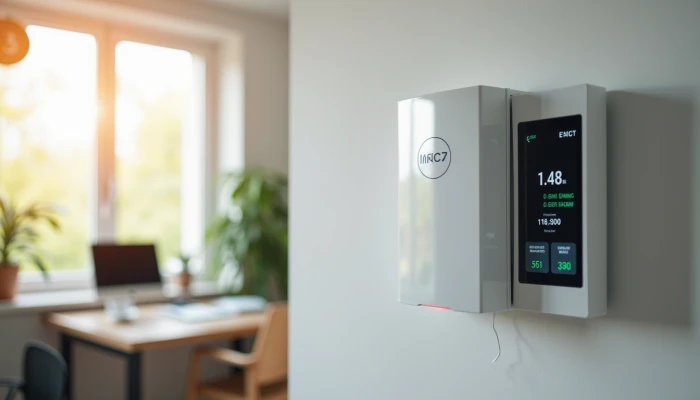
That is where an energy monitor can help. In plain terms, it shows when your home is drawing electricity, how much it is using, and sometimes which devices or circuits are responsible. When that information is paired with a battery system, the battery can be used more strategically instead of simply sitting charged for outages.
For households on time of use electricity plans, this matters because power often costs more during late afternoon and evening peaks. A monitor can help reveal whether your expensive hours come from cooking, laundry, water heating, EV charging, heating or cooling, or several loads overlapping at once.
This guide explains how energy monitors track consumption patterns, how they work with home energy storage, and what practical load shifting can look like in a real home. The goal is not to promise savings, but to help you understand the workflow so you can ask better questions before choosing settings, equipment, or installer recommendations.
How Energy Monitors Track Consumption Patterns
An energy monitor collects usage data over time so you can see more than a monthly total on a utility bill. Instead of only knowing how many kilowatt-hours you used, you can start to see when usage rises and falls during the day.
In many homes, the most expensive periods are not caused by one giant appliance running alone. They happen when several or high loads overlap during peak-rate hours. For example, a household might be cooking dinner, running air conditioning, charging devices, and heating water at the same time. A monitor helps make that pattern visible.
Depending on the setup, an energy monitor may track whole-home consumption, selected circuits, or estimated appliance behavior. The level of detail varies, but the practical goal is the same: identify the loads and time windows that matter most.
Useful patterns an energy monitor can reveal include:
- Repeated spikes in the early evening
- High overnight loads from EV charging or electric heating
- Midday solar production that exceeds immediate household use
- Short but intense bursts from large loads such as dryers, ovens, or well pumps
- Constant background usage from refrigerators, networking gear, or standby electronics
Once you can see those patterns, you can make better decisions about battery settings. For example, if your battery regularly empties too early, the monitor data may show that one or two large loads are draining it before the actual peak pricing window is over.
This data also helps with the question, how much battery backup do I need. The answer is not just about total daily consumption. It depends on which loads you want covered, how long peak pricing lasts, and whether your battery is meant to support only critical loads or a broader share of the home.
A simple way to read monitor data is to compare three things:
| What to check | Why it matters |
|---|---|
| Highest-usage hours | Shows when battery discharge may be most valuable |
| Largest recurring loads | Helps identify what should be shifted or limited |
| Overlap between loads | Reveals why battery capacity may disappear faster than expected |
For many homeowners, this is the first step from guessing to planning. Instead of assuming the battery is too small or the rate plan is the problem, the monitor shows how the house actually behaves.
Integration of Energy Monitors with Home Battery Systems
When an energy monitor is connected to a battery system through an energy management platform, the battery can respond to real household conditions instead of following a fixed schedule alone. In broad terms, the system uses incoming data to decide when charging and discharging make the most sense.
A common strategy is simple: charge when electricity is cheaper, then discharge during expensive hours. But in practice, better systems often consider more than the clock. They may account for expected household demand, available solar production, reserve settings for outages, and utility rate periods.
That is why implementation guidance often describes these systems as using algorithms or control logic. The software is not doing anything magical. It is comparing inputs and deciding how to prioritize battery use.
Common inputs may include:
- Current household demand
- Utility time-of-use schedule
- Battery state of charge
- Solar production, if solar is installed
- Backup reserve settings
- Weather forecasts that may affect solar output or outage risk
For example, if a home usually has a large evening peak, the system may try to preserve battery energy for that period rather than discharging too early in the afternoon. If solar production is expected to be weak, it may charge more from the grid during a lower-cost period. If outage backup is a priority, it may hold a larger reserve and use less of the battery for bill management.
This is where homeowners should think in terms of tradeoffs, not maximum savings at all costs. A battery used aggressively for time shifting may have less stored energy available if an outage happens later. A battery held mostly in reserve for backup may do less to reduce peak-hour grid use.
A practical review checklist before enabling or adjusting these features includes:
- Confirm whether your utility uses time-of-use pricing and what the peak windows are
- Check whether your battery system supports automated scheduling or energy management integration
- Decide how much backup reserve you want to keep for outages
- Identify which loads are on critical circuits, if your system uses a critical loads panel
- Review monitor data for at least several typical days, not just one unusual day
This integration is most useful when it matches the household's real pattern. A home with strong midday solar may use the battery differently than a home that mainly charges from the grid overnight. A household with an EV may need one schedule on weekdays and another on weekends.
The key point is that an energy monitor helps the battery act with better timing. It does not create extra capacity, but it can help the available stored energy be used in a more deliberate way.
Examples of Shifting Loads to Off-Peak Times
Load shifting means moving electricity use away from expensive periods and toward lower-cost periods, or using stored battery energy during the expensive window. In many homes, the easiest gains come from changing timing rather than reducing comfort.
Here are a few practical examples.
Laundry and dishwashing: If your utility's peak period is in the evening, running the washer, dryer, or dishwasher later at night or earlier in the day may reduce peak-hour grid use. In some setups, a battery may also cover part of that usage, but large heating loads can drain storage quickly, so timing still matters.
Water heating: Electric water heaters can be significant loads. If your system allows scheduled operation, heating water outside the peak window may reduce the amount of expensive electricity you buy during those hours.
EV charging: For EV owners, charging after the peak period often matters more than trying to cover charging with a modest battery. Monitor data can show whether EV charging is dominating your overnight or evening usage and whether a schedule change would help.
Cooling and heating: If your home tends to work hardest during peak hours, small schedule changes may help. For example, some households pre-cool or pre-heat slightly before the expensive period begins, then let the battery support lighter loads later. Comfort and equipment behavior vary, so this should be discussed with qualified professionals when control settings are involved.
Critical loads during peak pricing: A battery may be most effective when it supports the loads that matter most and are relatively steady, such as a refrigerator, freezer, internet equipment, lighting, or a furnace blower. A sump pump or well pump can also be important, but their startup demands and runtime patterns should be checked carefully.
This simple before-and-after framework can help:
| Situation | Peak-hour result | Better approach |
|---|---|---|
| Dryer, oven, and EV charger all run in the evening | Battery drains quickly or grid use stays high | Move one or more large loads to off-peak hours |
| Battery discharges early in the day | Less help during the highest-rate window | Adjust settings to preserve charge for peak hours |
| Solar production is strongest at midday but little is stored | More evening grid use | Increase self-consumption or charging during solar hours if supported |
| Critical loads share circuits with non-essential loads | Stored energy is used less efficiently | Review circuit priorities with an installer |
If you are trying to decide what to shift first, start with loads that are both flexible and meaningful.
A practical order is:
- EV charging
- Laundry and dishwashing
- Water heating
- Pool equipment or other scheduled motor loads
- Non-essential plug loads
Not every load should be shifted, and not every battery strategy fits every home. Some appliances must run when needed. Some households value outage readiness more than bill reduction. And some homes will find that certain large loads are simply too demanding for the battery to carry for long.
That is why the best use of monitoring is often not full automation at first. It is learning which habits, schedules, and battery settings create the biggest difference in your own home without overcomplicating daily life.
Conclusion
Energy monitors make home battery decisions more practical because they show when your home uses power, which loads create the biggest spikes, and how those patterns line up with expensive utility hours. Paired with a battery system, that information can support smarter charging and discharging decisions instead of relying on guesswork.
For households on time-of-use plans, the basic idea is straightforward: use lower-cost hours to charge when appropriate, then use stored energy more selectively during peak periods. The details, however, depend on your rate schedule, backup priorities, solar production, and the loads you want the battery to support.
If you are evaluating home energy storage, focus on timing as much as battery size. Review your utility tariff, ask how the monitoring and control system handles scheduling, and confirm how backup reserve settings affect bill management. A qualified installer or electrician can also help you understand circuit priorities, compatibility, and safety requirements.
Used thoughtfully, an energy monitor does not just tell you what happened on your bill. It helps you see how your home behaves, so your battery can be used where it matters most.