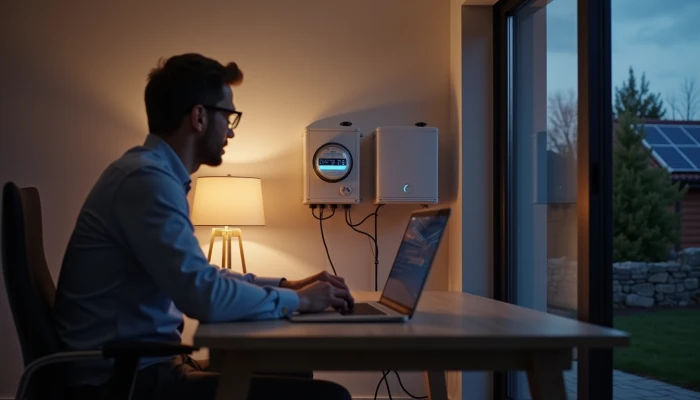
Using a Home Battery to Shift Power Use Away from Expensive Hours
High electric bills are not always about using more power. In many homes, the bigger issue is when that power is used.
If your utility uses time-of-use electricity pricing, the same appliance can cost more to run during peak hours than it does late at night or on weekends. That makes billing less about total consumption alone and more about timing.
This is where home energy storage can help. A battery system can charge when electricity is cheaper or when solar production is available, then supply that stored power later when grid prices are higher. In the right setup, that can reduce your reliance on expensive peak-period electricity while also adding backup capability for outages.
The key is to look at storage as a scheduling tool, not a magic bill eraser. Savings depend on your utility rate plan, your household usage pattern, battery efficiency, and how much energy you can realistically shift. This guide walks through the basics in plain language so you can judge whether a battery is likely to help in your situation.
Understanding Time-of-Use (TOU) Electricity Rates
Time-of-use rates charge different prices for electricity at different times of day. Instead of one flat price per kilowatt-hour, your utility may divide the day into pricing windows such as peak, mid-peak, and off-peak.
In many areas, peak hours happen when demand on the grid is highest, often on weekday afternoons or evenings. Off-peak hours are commonly overnight, early morning, or certain weekend periods. The exact schedule varies by utility, season, and rate plan.
That matters because two homes with similar monthly energy use can end up with different bills if one uses more electricity during expensive hours.
A simple way to think about TOU pricing is this:
| Rate period | Typical timing | What it usually means |
|---|---|---|
| Peak | High-demand weekday hours | Highest electricity price |
| Mid-peak | Shoulder periods | Moderate price |
| Off-peak | Nights, early mornings, or weekends | Lowest price |
TOU rates are designed to encourage load shifting, which means moving flexible electricity use to lower-cost periods. Common examples include charging an EV overnight, running a dishwasher later in the evening, or pre-cooling a home before expensive hours begin.
A battery extends that idea further. Instead of only shifting appliance schedules, you can shift the source of your power. That is the main reason TOU plans and battery storage are often discussed together.
Before looking at equipment, review your utility bill or tariff sheet for these details:
- The exact peak and off-peak time windows
- Seasonal changes in those windows
- Whether weekends use different pricing
- Whether export credits differ from retail electricity prices
- Whether demand charges apply in addition to energy charges
If your utility has only a small difference between peak and off-peak prices, a battery may have less bill-saving potential. If the spread is wide, the opportunity to reduce expensive grid purchases may be more meaningful.
How Home Batteries Work With TOU Rates
A home battery stores electricity for later use. In a TOU setup, the goal is usually to charge the battery during lower-cost periods and discharge it during higher-cost periods.
That charging can happen in two main ways:
- From the grid during off-peak hours
- From rooftop solar when production exceeds immediate household use
Later, when rates rise, the battery can power selected household loads or part of the home, reducing how much electricity you buy from the grid during the expensive window.
In many systems, this process is managed by an inverter and energy management software. The system can be programmed around your utility schedule so the battery does not discharge too early or sit empty when peak pricing starts.
This is important because a battery used for bill management is different from a battery used only for outage backup. In outage planning, the priority is keeping essential loads running. In TOU optimization, the priority is timing battery use to avoid high-priced electricity. Some systems can balance both goals, but that usually requires planning around reserve settings.
For example, a homeowner might choose to:
- Keep a portion of battery capacity reserved for outages
- Use the remaining capacity for daily TOU shifting
- Charge overnight when rates are lowest
- Discharge during the utility's peak window
If you also have solar, the battery may charge from midday solar production and carry that energy into the evening. That can be especially useful if your utility's evening rates are high and export compensation is lower than the cost of buying power later.
A few practical limits are worth keeping in mind:
- Batteries have finite capacity, so they cannot cover unlimited usage
- Batteries have power output limits, so they may not run every large load at once
- Not every home uses enough power during peak windows to justify a larger system
- Utility rules and equipment settings affect how the system can operate
In short, the battery works best when it is matched to your actual usage pattern, not just your total monthly bill.
Grid vs. Battery Cost Comparison for TOU Rate Management
The basic comparison is straightforward: is it cheaper to buy electricity from the grid during peak hours, or to store lower-cost energy and use it later?
The answer depends on three main factors:
- The difference between off-peak and peak utility rates
- Battery round-trip efficiency, which means some energy is lost in charging and discharging
- The installed cost and usable capacity of the system
Battery losses matter. If a battery does not return every kilowatt-hour that went into it, the effective cost of stored energy is higher than the off-peak purchase price alone. In practical terms, you should compare delivered battery energy to peak grid energy, not just off-peak charging cost to peak retail price.
Use this simple framework:
- Find your off-peak electricity price.
- Find your peak electricity price.
- Estimate battery efficiency from manufacturer documents or installer proposals.
- Adjust the off-peak charging cost upward to reflect storage losses.
- Compare that adjusted battery-delivered cost with the peak grid price.
Here is a plain-language comparison table:
| Factor | Grid during peak hours | Battery charged off-peak |
|---|---|---|
| Energy price timing | Highest-cost period | Lower-cost charging period |
| Losses before use | None from storage | Some storage and conversion losses |
| Upfront equipment cost | None beyond normal service | Significant system cost |
| Backup capability | None by itself | May also provide outage support |
| Bill impact | Depends on direct peak use | Depends on how much load you can shift |
This is why batteries do not automatically save money in every home. If your rate spread is modest, your peak usage is low, or your battery sits underused, the economics can be weaker. On the other hand, if peak prices are much higher than off-peak prices and your household has meaningful evening demand, storage may reduce expensive purchases from the grid.
It also helps to separate two questions that often get blended together:
- Does the battery lower peak-hour grid use? Often yes, if configured correctly.
- Does that reduction justify the system cost? That depends on your rates, usage, and goals.
For many households, the value is not just bill management. A battery may also support home energy resilience, backup for critical loads, and better use of on-site solar. Those benefits are real, but they should be evaluated alongside cost rather than treated as financial payback.
Calculating Your Home Battery Needs for TOU Savings
If your goal is lower bills under TOU pricing, the right battery size is the one that can shift a useful amount of energy during expensive hours without being much larger than your real need.
A good starting point is not your whole monthly bill. It is your peak-period usage pattern.
Look at your utility data, smart meter portal, or energy monitor and ask:
- How many kilowatt-hours do you use during peak hours on a typical day?
- Which loads are driving that usage?
- Are those loads flexible, or do they need to run during that window?
- Do you want the battery to cover only cost shifting, or also outage backup?
A home battery size calculator can help organize this estimate, but the inputs matter. If you overestimate what needs to be shifted, you may end up pricing a larger system than necessary.
Use this simple sizing sequence:
- Identify your utility's peak pricing window.
- Estimate how many kilowatt-hours you use during that window on a normal day.
- Separate essential loads from optional loads.
- Decide whether you want backup reserve held aside.
- Add a margin for seasonal changes and battery losses.
For many readers, the most useful question is not just how much battery backup do I need, but how much peak-hour energy do I actually want to avoid buying from the grid.
That distinction matters because a battery sized for whole-home backup can be very different from one sized mainly for TOU savings. A smaller system may still help if it covers recurring peak-hour loads such as refrigeration, lighting, internet equipment, or moderate evening usage. A larger system may be needed if you are trying to offset heavier loads or maintain backup for equipment like a well pump, sump pump, or other critical circuits.
Keep these sizing checks in mind:
- Capacity is about how much energy the battery can store
- Power rating is about how many loads it can run at once
- Backup reserve reduces how much energy is available for daily bill shifting
- Seasonal heating and cooling changes can alter your peak-hour demand
If you have solar, include expected production timing as well. Midday solar may reduce how much grid charging you need, but cloudy periods and winter output can change the picture.
A practical estimate is enough for an initial screening. Final sizing should come from real interval usage data and a proposal reviewed with a qualified installer.
Key Considerations for Choosing a Home Energy Storage System
Once you know your rate structure and rough sizing target, the next step is comparing systems based on fit rather than marketing claims.
Start with the basics:
- Usable battery capacity
- Continuous and peak power output
- Compatibility with your existing electrical setup
- Compatibility with any solar inverter already installed
- Control features for TOU scheduling and backup reserve
- Warranty terms and expected cycle use
For TOU bill management, software controls matter almost as much as battery size. A system that can follow your utility schedule, prioritize off-peak charging, and hold a backup reserve is usually more practical than one with limited control options.
If you are comparing proposals, use this checklist:
- Does the quote show usable capacity, not just total capacity?
- Does it explain how the battery will charge during off-peak hours?
- Does it show whether the system can automate TOU dispatch?
- Does it identify which loads are backed up during outages?
- Does it explain expected efficiency losses?
- Does it confirm compatibility with your current solar or electrical equipment?
- Does it note permit, inspection, and professional installation requirements?
Also ask whether the battery is being sized for one goal or several. A system intended for TOU savings, outage backup, solar self-consumption, and EV-related use may involve tradeoffs. For example, holding more reserve for outages can reduce the energy available for daily bill reduction.
Chemistry and warranty details also deserve attention, though they should be discussed in plain terms. Many homeowners will encounter lithium-based systems, including lithium iron phosphate battery designs. The practical questions are less about chemistry jargon and more about cycle life, safety certifications, usable capacity, and how the warranty defines covered performance.
Most important, this is not a DIY electrical project. Hardwired battery systems interact with your home's electrical service, inverter equipment, and possibly a critical loads panel or transfer equipment. Final design, permitting, and installation should be handled by qualified professionals who understand local code and utility interconnection rules.
A good buying decision is usually the result of matching three things:
- Your utility pricing pattern
- Your actual household load profile
- A system configuration that can operate safely and predictably in your home
Conclusion
Home batteries can help lower electric bills when the main problem is expensive timing rather than total energy use. If your utility uses time-of-use pricing, charging during off-peak hours and using stored energy during peak periods may reduce your reliance on higher-cost grid electricity.
But the value depends on the details. Rate spreads, battery efficiency, usable capacity, backup reserve settings, and your actual peak-hour demand all shape the result. That is why the most useful first step is reviewing your utility schedule and interval usage, not jumping straight to battery size or brand comparisons.
If the numbers look promising, ask installers to show a clear grid vs. battery cost comparison, explain how the system will handle off-peak charging, and separate outage-backup goals from bill-management goals. That approach gives you a more realistic view of whether home energy storage fits your budget, your resilience needs, and your daily energy habits.