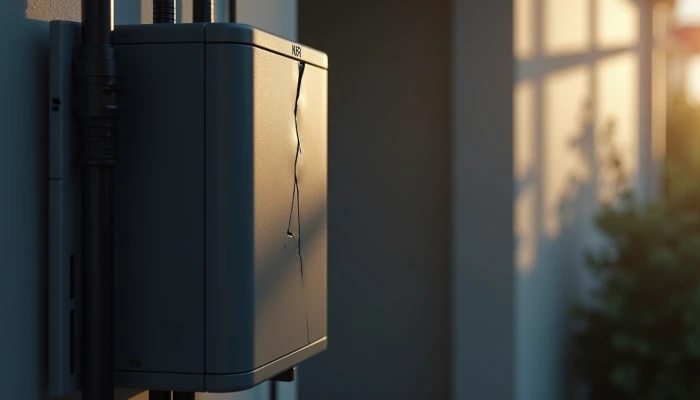
Why a Battery Backup System Stops Feeling Reliable
A home battery backup system usually feels simple right up until it does something unexpected. Maybe the battery does not last as long during an outage, the system throws alerts, or backup power cuts out when a large appliance starts.
Those problems do not always mean the system is failing completely. In many cases, the issue comes down to heat, battery aging, or a mismatch between the battery, inverter, and the loads you expect it to support.
This guide walks through the most common trouble areas in plain language. The goal is to help you recognize what is normal, what is a warning sign, and when it is time to contact the installer, manufacturer, or a qualified electrician rather than guessing.
If you are still deciding what size system you need, some of these problems also connect back to planning mistakes. Questions like how much battery backup do I need or whether a system can handle battery backup for refrigerator loads often affect real-world performance later.
Understanding Overheating Risks in Battery Systems
Heat is one of the clearest warning signs in any backup power setup. Batteries and inverters naturally produce some heat during charging and discharging, but excess heat can shorten equipment life, reduce performance, and trigger shutdowns.
Common causes are usually straightforward. The system may be installed in a space with poor airflow, exposed to high ambient temperatures, asked to support more load than expected, or dealing with a cooling problem inside the battery or inverter enclosure. Even if the battery itself is healthy, the system may protect itself by limiting output when temperatures rise.
Manufacturer safety guidance commonly stresses a few basics:
- Keep the unit in the approved temperature range.
- Maintain clearances around the equipment for airflow.
- Avoid blocking vents or louvers.
- Follow placement rules for indoor or outdoor use.
- Use the mounting surface and enclosure type specified by the manufacturer.
Some installation guidance for residential storage also emphasizes non-combustible mounting surfaces such as concrete or metal, along with proper separation and enclosure protection. Standards and code frameworks such as NEMA enclosure guidance and NFPA 855 are part of why installers pay close attention to location, ventilation, and thermal management.
What you may notice at home includes:
- The battery or inverter fan running more often than usual
- Reduced backup runtime during hot weather
- System alerts related to temperature
- Unexpected pauses in charging or discharging
- A hot equipment room, garage corner, or utility area
Use this quick check to decide what to do next.
| Symptom | Likely concern | Safer next step |
|---|---|---|
| Warm enclosure but no alerts | Normal operation or mild heat buildup | Check airflow and room temperature, then monitor |
| Repeated temperature alerts | Ventilation, load, or cooling issue | Contact installer or manufacturer support |
| System shuts down during high use | Overload or thermal protection | Reduce nonessential loads and request service review |
| Burning smell, smoke, or visible damage | Possible safety emergency | Move away, follow manufacturer emergency guidance, and contact emergency services if needed |
Do not try to open the battery enclosure or modify cooling components yourself. Hardwired battery systems are not a safe DIY repair project. If overheating keeps happening, the real fix may involve system settings, placement, load management, or service work that should be handled by qualified professionals.
Battery Lifespan Degradation: Signs and Mitigation
All batteries wear down over time. A newer system may deliver strong backup performance, while an older one may store less energy or provide less usable power under the same conditions. That does not always mean something is broken. It often means the battery is aging, or it has spent too much time in conditions that speed up wear.
The main factors behind battery lifespan degradation are usually:
- Frequent deep discharges
- High temperatures
- Long periods at very high or very low state of charge
- Heavy cycling from daily use
- Poor maintenance around accessible exterior components
For homeowners, the most noticeable sign is often shorter runtime during outages. A battery that once covered evening essentials may now run out sooner. You may also see slower charging, reduced available output, or more conservative system behavior during extreme temperatures.
This is also where planning assumptions matter. If you originally sized the system around ideal conditions, aging can make it feel undersized later. That is one reason online estimates or a home battery size calculator should be treated as a starting point, not a promise. Real loads, weather, and battery aging all affect results.
Chemistry matters too. Many modern systems use LFP battery or lithium iron phosphate battery chemistry, which is generally valued for stability and long service life. Even so, LFP batteries still degrade over time and still benefit from sensible temperature control and proper charge management.
A simple owner checklist can help you spot avoidable problems.
- Review the app or monitoring portal for unusual drops in stored energy or runtime.
- Check for recurring temperature warnings.
- Keep the surrounding area clean and unobstructed.
- Inspect accessible exterior terminals or connections only if the manufacturer says owner inspection is allowed.
- Watch for visible corrosion, dust buildup, or moisture around the unit.
- Ask your installer what level of capacity decline is considered normal for your model.
Cleaning guidance varies by product, so follow the manual rather than improvising. Some maintenance resources recommend keeping battery cases and accessible terminals clean and free of dirt or corrosion because buildup can contribute to performance issues. But that is not the same as doing internal service. Internal battery work should be left to trained technicians.
If your main concern is runtime, focus on critical loads first. A refrigerator, internet equipment, some lights, and a furnace blower often fit into a realistic outage plan better than trying to back up every circuit. If your system struggles with a refrigerator alone, that may point to aging, a startup surge issue, or a mismatch between the inverter and the appliance rather than battery capacity alone.
Inverter Compatibility and System Integration Challenges
A battery is only part of the backup system. The inverter does the job of converting stored energy into usable household power and coordinating how the battery charges, discharges, and responds during an outage. If the inverter and battery are not well matched, the whole setup can feel unreliable even when each component works on its own.
Compatibility issues often involve one or more of these factors:
- Battery voltage range
- Power output limits
- Frequency and waveform requirements
- Communication protocols between the battery and inverter
- Whether the system is designed for backup loads, solar charging, or both
- How surge loads from appliances are handled
This is where homeowners can get confused by product language. For example, a solar inverter, battery inverter, and hybrid inverter do not all behave the same way. A system that looks compatible on paper may still need approved communication settings, firmware alignment, or a supported equipment pairing list from the manufacturer.
When there is a mismatch, the symptoms may include:
- The battery charges but does not discharge properly during an outage
- The system trips offline when a motor load starts
- Backup circuits work inconsistently
- The inverter reports communication or fault errors
- The battery appears underused even when charge is available
A common example is startup surge. A refrigerator, well pump, sump pump, or furnace blower may need more power for a brief moment than its running wattage suggests. So if you are asking how much battery backup do I need, the answer is not just about stored energy. It is also about inverter output and surge handling.
Use this troubleshooting sequence before calling support.
- Check whether the problem happens only during outages or also during normal grid-connected operation.
- Note which appliances were running when the issue appeared.
- Review the app or display for fault codes, temperature warnings, or communication errors.
- Confirm that the battery and inverter are an approved pairing according to the manufacturer or installer documentation.
- Ask the installer whether your critical loads panel matches the system design assumptions.
Standards references and installer guidance matter here because integration is not just a product question. It is also a safety and design question. NEMA materials and residential energy storage guidance help frame why enclosure type, disconnects, communications, and load management all need to work together.
If your system was sold as "whole home" backup, ask for a plain-language explanation of what that means in your house. In some homes, it means every circuit is connected but not every load can run at once. In others, it means only selected circuits are intended to stay on. Clarifying that point often resolves the gap between expectation and actual performance.
Conclusion
When a backup system starts acting unpredictably, the safest approach is to narrow the problem down instead of assuming the battery itself is bad. Overheating, normal battery aging, and inverter integration issues are among the most common reasons a home battery backup system underperforms or shuts down.
The practical next step is usually to gather symptoms, review the manufacturer guidance, and involve qualified support early. That may mean your installer, the battery maker, the inverter maker, or a licensed electrician depending on the problem.
Good backup performance depends on realistic load planning, proper installation, and ongoing maintenance. It also depends on accepting the limits of the system you have. A battery can be extremely useful for outages and daily energy resilience, but long-term reliability comes from matching the equipment to the home, the loads, and the conditions where it operates.