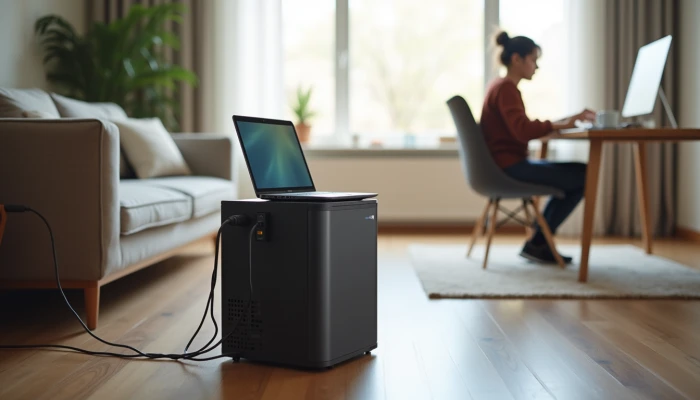
Should Renters Choose a Portable Power Station or a Home Battery Backup?
Renters often want backup power for home use without making a permanent change to the property. That creates a different decision than it does for homeowners. A system that works well in a long-term house may be hard to justify in an apartment, rental home, or place you may leave in a year or two.
The main tradeoff is simple. Portable power stations are easier to buy, move, and use, while home battery backups offer more capacity and tighter integration with the home. But that extra capability usually comes with higher upfront cost, professional installation, and landlord approval issues.
If you are trying to decide between the two, focus on three questions:
- How much power do you actually need during an outage?
- How long do you expect to stay in the rental?
- Are you allowed to make permanent electrical changes?
This comparison walks through cost, installation flexibility, renter-specific use cases, and maintenance so you can narrow down the practical choice before talking with an installer or making a purchase.
Cost Comparison: Upfront and Long-Term Expenses
For most renters, cost is the first filter. Portable power stations and home battery systems are not in the same price class.
Available source ranges suggest that professionally installed home battery systems often start around $5,000 and can reach $20,000 or more, with some estimates going higher once installation is included. Portable power stations, by contrast, commonly fall in a much lower range, often around $500 to $3,000 depending on storage size and inverter output.
That difference matters because renters may not stay put long enough to spread a large installation cost over many years. A portable unit can be purchased as a standalone device, used right away, and taken to the next home.
A simple cost comparison looks like this:
| Option | Typical upfront cost range | Installation cost | Moving cost | Long-term cost considerations |
|---|---|---|---|---|
| Portable power station | About $500 to $3,000 | Usually none | Low | Battery wear over time, possible replacement sooner if used heavily |
| Home battery backup | About $5,000 to $20,000+ or more installed | Usually significant | High or impractical | Professional service, warranty limits, relocation difficulty |
Long-term cost is less straightforward. A portable power station may cost less now, but frequent cycling can reduce usable capacity over time. A home battery may last longer and come with a longer warranty, but renters may never fully benefit from that lifespan if they move before the system pays off in convenience or energy use.
This is also where people often ask, how much battery backup do I need. If your goal is only to keep phones charged, lights on, and a few food items cold for a short outage, paying for a hardwired whole-home setup may not match the problem. If your goal is to keep several critical loads running for many hours, the lower-cost option may feel too limited.
For renters, the practical takeaway is usually this:
- Choose the lowest-cost option that still covers your most important outage needs.
- Be cautious about paying for permanent capacity you may not be able to take with you.
- Compare not just battery size, but also inverter output, recharge options, and expected lifespan.
That approach keeps the decision grounded in actual use rather than in the appeal of a larger system.
Installation Flexibility for Renters
Installation flexibility is where portable power stations usually pull ahead for renters.
A portable power station is designed to work without permanent installation. In most cases, you charge it from a wall outlet, optional solar input, or another approved charging source, then plug devices directly into the unit. That makes it easier to use in apartments, condos, or rental homes where electrical modifications are restricted.
A home battery backup is different. It is usually tied into the home's electrical system and may involve an inverter, transfer equipment, permits in some areas, and professional installation. Even when a landlord is open to the idea, the system may be difficult or expensive to remove later.
For renters, the real issue is not just whether installation is possible. It is whether installation makes sense for a temporary living situation.
Use this quick renter checklist:
-
Portable power station may fit better if:
-
You expect to move within a few years.
-
Your lease limits modifications.
-
You want backup power that can move with you.
-
You only need to run selected devices directly.
-
Home battery backup may fit better if:
-
You have long-term landlord approval in writing.
-
You live in a single-family rental with stable tenancy plans.
-
You need backup integrated with home circuits.
-
A qualified installer confirms the setup is feasible.
This does not mean renters can never use a home battery system. It means the bar is higher. You need property owner cooperation, a suitable electrical setup, and a realistic plan for what happens if you move.
Portable systems are also simpler from a decision-making standpoint. You do not need to solve for panel integration or a critical loads panel before deciding whether backup power is worth having at all. For many renters, that lower-friction path is the main advantage.
Use Cases for Renters: Power Needs and Scenarios
The right choice depends on what you are trying to keep running.
Portable power stations are usually a better fit for short outages, selective device charging, and smaller essential loads. Home battery systems are better suited to broader backup across dedicated circuits, especially when outages are longer or more frequent.
Here is a practical way to think about common renter situations:
| Renter scenario | Portable power station | Home battery backup |
|---|---|---|
| Apartment with occasional outages | Usually a strong fit | Often impractical |
| Rental home with landlord restrictions | Usually a strong fit | Often difficult |
| Need to power phones, router, lights, laptop | Strong fit | More than needed in many cases |
| Need limited kitchen backup, such as a refrigerator | Possible if capacity and surge limits are adequate | Stronger fit for longer runtime |
| Need multiple home circuits backed up automatically | Limited | Better fit |
| Expect to move soon | Strong fit | Weak fit |
One common question is whether a portable unit can handle battery backup for refrigerator use. Sometimes yes, but it depends on two things:
- The refrigerator's running and startup power
- The battery's usable capacity and inverter rating
That is why a simple home battery size calculator mindset helps, even if you do not use a formal calculator. List the devices you care about, estimate how many watts they use, and multiply by the number of hours you want them to run. Then leave extra room for startup surges and real-world losses.
Some published guidance suggests that for a few hours of home emergency power, larger portable stations in the multi-kilowatt-hour range may be more realistic than very small units. That can make a big difference for renters who assume any battery box will run a fridge, microwave, and several appliances at once.
Portable power stations tend to work best when your outage plan is selective, such as:
- Keep phones charged
- Run a lamp or two
- Power internet equipment
- Support a cooler, small appliance, or refrigerator for a limited period if the unit is sized appropriately
Home batteries tend to work best when your outage plan is more integrated, such as keeping a set of critical loads active through the home's wiring. That can be useful in a rental house, but it is usually harder to justify if you do not control the property.
Renters with EVs or larger energy demands should be especially careful not to overestimate what a portable unit can do. A portable station may cover essentials, but it is not automatically a substitute for a larger home energy storage setup.
Maintenance and Reliability Considerations
Maintenance is not just about repairs. For renters, it is about whether the system will still be useful by the time your lease situation changes.
Portable power stations are simpler to own. There is no hardwired equipment to service, and routine care is usually limited to proper charging, storage, and following manufacturer guidance. The tradeoff is that smaller portable systems may see noticeable battery wear sooner if they are used often, stored poorly, or repeatedly pushed near their limits.
Home battery systems usually come with longer warranty structures, often in the 5- to 15-year range depending on the product and usage terms. That can support long-term reliability, but these systems also rely on professional installation and may require qualified service if something goes wrong.
For renters, reliability should be judged in context:
- A portable unit may be less powerful, but easier to keep, test, and move.
- A home battery may be more robust for critical loads, but harder to maintain as a renter-owned asset tied to someone else's property.
- Warranty value matters less if relocation, lease changes, or landlord rules make continued use difficult.
A practical way to compare the two is to score them on renter priorities:
| Priority | Portable power station | Home battery backup |
|---|---|---|
| Easy to move | High | Low |
| Low ownership complexity | High | to low |
| Long-duration backup potential | to low | High |
| Integration with home circuits | Low | High |
| Fit for temporary housing | High | Low |
If you are unsure, think about your expected tenancy. If you may move in one to three years, a portable system often aligns better with that timeline. If you are in a long-term rental house, have landlord approval, and need more dependable support for critical loads, a home battery may be worth exploring with a qualified installer.
In either case, reliability depends on realistic expectations. A battery is only reliable for the loads it is actually sized to support.
Conclusion
For renters, neither option is automatically better in every situation. The better choice depends on whether you value mobility and lower upfront cost or higher capacity and deeper home integration.
Portable power stations usually make more sense when you want a flexible, non-permanent backup solution for essentials during shorter outages. Home battery backups make more sense when you have a stable rental situation, landlord approval, and a real need to support more critical loads through the home's electrical system.
Before deciding, review these points:
- Your must-run devices during an outage
- How many hours of backup you actually need
- Whether your lease allows permanent electrical changes
- How likely you are to move during the battery's useful life
- Whether a qualified installer says a hardwired system is practical for the property
For many renters, starting with a portable system is the simpler way to build energy resilience without overcommitting. If your needs grow later, you can reassess with better information and a clearer picture of your long-term housing plans.